Evaluating the Cow Skin Embroidery Design for Real Projects
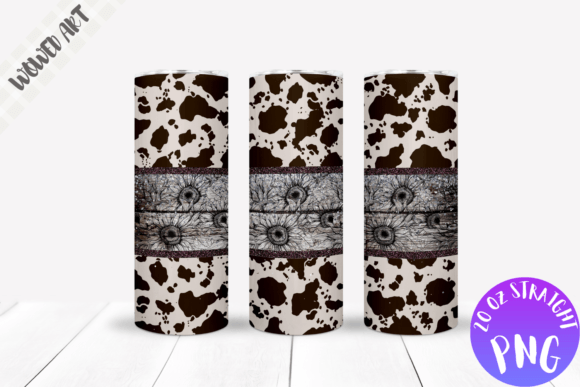
As someone who stitches for clients and for my own shop, my first question about any new embroidery file is always: will this actually work on a real product? When I look at the Cow Skin 20 Oz Skinny Tumbler Wrap design, I'm thinking beyond the digital preview. I'm visualizing it stitched out on fabric, held in someone's hands, and ultimately, whether it earns a place in my project library.
The First Impression: A Bold, Graphic Statement
The design has an immediate, strong visual personality. It's not a delicate, pastoral scene; it's a graphic, modern interpretation of a classic theme. This mood matters. It tells me this design belongs on products meant to stand out—think a statement sweatshirt for a boutique, a bold tote bag for a market vendor, or a playful pillow cover in a nursery with a rustic theme. The layout is clean and the detail level looks manageable for embroidery, without overly dense areas that could cause puckering. For a craft business owner, this translates to a design that stitches reliably and delivers a clear, professional-looking finished product.
Where This Design Finds Its Perfect Home
Let's walk through a real scenario. I'm preparing a custom order for a client who runs a small farm-themed café. They want embroidered aprons for their staff. The Cow Skin design immediately comes to mind. Its graphic nature would look crisp and recognizable on an apron, even from a distance. The size, as noted, starts at 9.3x8.2″, which is substantial enough to be a central feature without overwhelming the garment. Because the files are PNGs and can be resized, I could also adapt it for smaller items, like the corner of a kitchen towel or a cap. This versatility is key for small business merchandise and personalized gifts where you might need the same motif across different products.
- Strong Contenders: Tote bags, sweatshirts, apron fronts, pillow covers, and tea towels. These items have the flat, stable surfaces that love a bold graphic.
- For the Creative Entrepreneur: This design could anchor a whole product line. Imagine a series of farm-themed nursery items—blankets, bibs, wall hangings—all featuring this cohesive cow graphic. It builds brand consistency.
- Giftability & Recognition: For a holiday gift or wedding present for a rural-loving friend, an embroidered piece with this design is instantly understandable and appreciated. It has that visual shorthand that engages buyers.
Navigating the Practical Stitching Considerations
Performance on real fabrics is where a design proves its value. Here’s my practical judgment for this one.
The graphic style, with likely defined areas of fill stitch and satin stitch borders, should translate well to embroidery. However, any design with larger solid areas requires attention to stitch density and stabilizer choice. On a stretchy fabric like a t-shirt or a textured fabric like some sweaters, you'd need a robust stabilizer to prevent distortion. For custom apparel, always test on a scrap first.
On darker fabrics, the contrast needs to be planned. You might opt for lighter thread colors for the main "skin" areas to ensure the pattern pops. Since the file format provided is PNG, it's crucial to remember this is a graphic for digitizing. You or your digitizer would need to create the actual embroidery file—considering thread paths, underlay, and stitch types—before it ever hits a hoop.
Areas for Careful Application
Not every design fits every project. Here’s where I'd proceed with caution.
- Small Hoop Sizes & Tiny Details: If resizing down significantly for a baby item or a small patch, check that the pattern details remain clear. Tiny, intricate lines in an embroidery file can get lost or become fragile.
- Curved Surfaces: Applying a large, rectangular graphic to a curved surface like a cap requires expert placement and possibly splitting the design. It's not impossible, but it's an advanced project.
- Products for Frequent Washing: On items like everyday kitchen towels or kids' clothing, a design with very dense stitching can wear differently. A more open fill might be preferable for durability in these cases.
- Layered Garments: Embroidering onto a pocket or a collared shirt adds complexity. The design's size needs to fit the specific panel of fabric available.
How This Design Impacts Your Craft Business
Beyond the stitch-out, a design affects your shop's appeal. The Cow Skin design, by being both recognizable and stylized, adds visual appeal that can elevate a simple product. A plainly purchased tote becomes a handmade product with character. This builds customer trust—they see a coherent, well-executed graphic that looks intentional and professional.
For Etsy sellers and digital product sellers, this kind of graphic is excellent for creating printable mockups. You can showcase how the final embroidered item would look, which drives buyer engagement. It's a valuable design asset.
Essential Designer Notes Before You Hoop
- Test, Always. Run the design on scrap fabric of the same type you plan to use. Check thread color contrast against your background fabric, both light and dark.
- Digitize with Intention. Turning the PNG into an embroidery file is the critical step. Consider reducing stitch density in large fill areas if needed for your fabric.
- Confirm the Licensing. The product is listed under Crafts and Graphics. Before selling any finished items or commercial embroidery projects using this design, you must confirm the licensing terms. Can it be used for commercial embroidery? Always verify.
- Plan for Presentation. A bold graphic like this deserves good photography. Show it on the product in a clean, realistic setting to highlight its handmade presentation.
In the end, the Cow Skin 20 Oz Skinny Tumbler Wrap graphic strikes me as a robust, versatile starting point for a range of projects. It has the clarity and style that translates well from a digital preview to a tangible, stitched product that people would genuinely want to own or give. With practical testing and smart application, it can become a reliable part of your embroidery workflow for craft business success.