A Vintage Utah Design for Modern Embroidery Projects
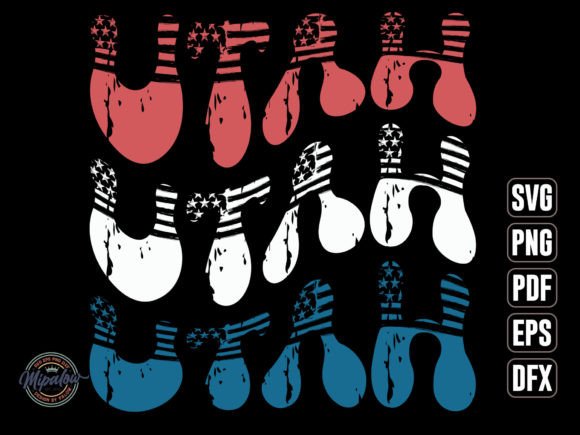
When a new embroidery design lands on my desktop, I always ask myself one simple question: does this feel like it belongs on a real product? Looking at the Utah State Vintage SVG Sublimation, I’m immediately struck by its classic, Americana personality. This isn’t just a graphic; it’s a mood. It evokes nostalgia, pride, and a sense of place—qualities that instantly translate into value for any handmade product.
The First Impressions: Warm, Welcoming, and Ready for Fabric
The vintage style suggests a design meant to be worn, displayed, and cherished. It has that hand-drawn charm, a layout that feels balanced and intentional, which is crucial when you’re thinking about translating it into stitches. The level of detail appears thoughtful, avoiding overly complex elements that might blur into a muddled mess of thread. My instinct is that this design belongs on something cozy and personal. A well-loved sweatshirt, a sturdy tote bag carried daily, or a decorative pillow cover in a family room. It’s not a flashy, trendy piece; it’s a timeless one.
Putting It Into a Real Project Scenario
Let’s imagine I’m preparing a custom embroidered tote bag for a client who is a Utah native, a gift for someone moving to the state, or merchandise for a small boutique in Salt Lake City. This design isn’t just a logo slapped on fabric. The vintage aesthetic adds a layer of story and craftsmanship. I’d consider how the shapes will translate: the outlines will likely become clean satin stitches or running stitches, while any filled areas will need a solid fill stitch. The result should be a crisp, legible, and warmly professional-looking finished product. A customer seeing this on a bag isn’t just seeing a state outline; they’re seeing a piece of art that feels made with care.
Performance Across Real Embroidery Situations
This Utah design’s versatility is its strength. For custom apparel like t-shirts and sweatshirts, its classic look boosts the perceived value, making a simple garment feel like a personalized gift. On baby clothes or nursery decor, it becomes a sweet, heritage-style piece. As an embroidered patch, it could stand alone beautifully, perfect for caps or jackets. For home goods like aprons, pillow covers, or kitchen towels, it injects a handmade, local touch that elevates the item from generic to special. This is exactly the kind of asset creative entrepreneurs and Etsy sellers need—a design that enhances their brand’s story and connects emotionally with buyers.
For commercial embroidery projects or small shop merchandise, the design’s clear, recognizable theme aids in quick customer recognition and trust. It looks professional. When used in digital product previews or printable mockups for your craft business, the high-res 300dpi foundation mentioned is key for presenting a sharp, credible image to potential buyers.
Where to Exercise a Bit of Caution
Any design with character needs careful application. The potential for small details or lettering means you must be mindful of hoop size. Embroidering this on a very small scale, like on a delicate baby bib corner, might lose some clarity. Textured fabrics like thick sweaters or stretchy fabrics for caps require proper stabilizer to keep those vintage shapes from distorting. On dark fabric, thread color contrast becomes paramount—you’d need a bright, contrasting palette to make the design pop. And for products destined for frequent washing, like tea towels or everyday shirts, ensuring the stitch density is secure and threads are high-quality will maintain that vintage charm over time.
How This Design Elevates Your Finished Product
Using the Utah State Vintage SVG Sublimation isn’t just about adding a decoration; it’s about crafting an experience. The visual appeal is rooted in nostalgia, which increases the giftability of any item. For a small business owner, consistently using such well-composed designs builds brand consistency—your customers come to expect a certain level of thoughtful artistry. The stitching clarity, if executed well, directly impacts customer trust; a clean, professional embroidery job makes a handmade product feel premium. This design invites engagement. It’s a conversation starter on a hat, a point of pride on a sweatshirt, and a mark of quality on your Etsy listing.
Practical Notes for the Embroidery Designer
Before you commit this design to a client’s project or your own inventory, do your homework. Always test the design on scrap fabric first, ideally on both a light and dark background to see how the thread colors perform. Review the stitch density in the embroidery file to ensure it’s suitable for your chosen fabric—too dense on thin material can cause puckering. Confirm your hoop size can accommodate the design comfortably, and inspect any small details to see if they need slight adjustment for perfect clarity.
Since this is a digital file for cutting machines, remember to check the specifics for your embroidery process. The included files are ready for your machine, but as an embroidery designer, you’ll need to ensure the paths convert well for your embroidery software and intended technique. Check whether the design works for both personal and commercial projects by confirming the licensing terms before selling any finished items. This step is non-negotiable for protecting your craft business.
Use proper stabilizer for the specific fabric, whether it’s a curved cap or a layered garment. And think about the final presentation: a vintage Utah design on a crisp, well-made tote bag or apron tells a complete story of quality and care. That’s the ultimate goal for any maker: a project that looks as good in real life as it did on the screen, and a product that your customers will genuinely love.