Rock Skeleton Hands: A Bold Graphic for Your Next Embroidery Project
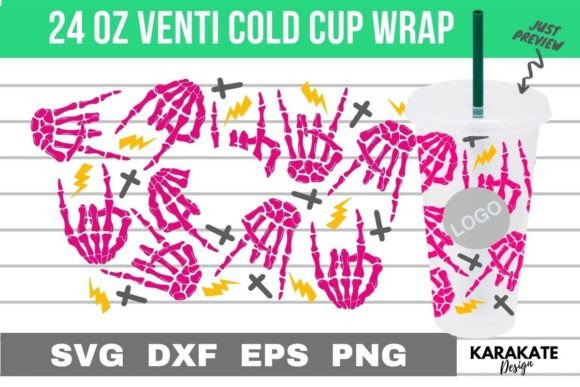
When a graphic file lands on my desktop for review, I immediately start visualizing how it will translate into thread. Today, I’m looking at the Rock Skeleton Hands 24 Oz Venti Hole SVG. This is a graphics file, but for embroidery professionals, it’s raw material—a blueprint for stitching onto fabric.
The Immediate Visual Punch of This Design
The first impression is unmistakably edgy and playful. The composition of skeleton hands clutching that iconic beverage cup creates a graphic with a strong mood. It’s nostalgic, a bit rebellious, and carries a rock-and-roll personality that feels ready-made for personalization. The level of detail here, particularly in the hand bones and the cup contours, suggests a design that relies on clear outlines and solid fill areas. This isn’t a delicate floral; it’s a statement piece.
It naturally belongs on projects meant for a specific audience. Imagine a custom embroidered sweatshirt for a music fan, a tote bag for a coffee shop regular, or a bold patch on a denim jacket. The theme is so clear that it almost dictates the product it should adorn. The “Venti Hole” element adds that layer of insider humor, making it perfect for personalized gifts or niche small shop merchandise.
Where This Embroidery Design Shines in Practice
In real-life embroidery situations, this graphic’s strength is its recognizability. On a solid-color sweatshirt or hoodie, executed with a crisp satin stitch for the outlines and a dense fill stitch for the cup, it becomes a high-value focal point. I’d also consider it for a sturdy canvas tote bag—the design’s scale and bold shapes would hold up beautifully to daily use and washing.
For crafters and Etsy sellers, this design opens avenues. It could be the centerpiece of a boutique apron for a barista, a fun accent on a pillow cover in a teen’s room, or even a simplified version on a baby bib for a rock-and-roll parent. The graphic nature makes it excellent for printable mockups to showcase your embroidered patch or apparel listings online. The high-resolution PNG file included is crucial for that.
A Scenario: Preparing a Client’s Embroidered Tote
Let’s walk through a scenario. A client requests this design on a heavyweight cotton tote bag for their record store. My first thought is scale. I need to test the embroidery file in my software to ensure the “skeleton hands” detail isn’t lost when sized up for the bag’s large panel. The SVG format’s scalability is a benefit here. I’d then consider thread color contrast: a classic black thread for the hands on a light bag, or perhaps a white thread on a dark heather gray for a stark, graphic look. The cup area, likely a solid fill, requires checking stitch density to prevent puckering on the bag’s textured fabric.
Caution Areas and Fabric Considerations
This design should be used carefully on certain surfaces. The intricate bone details and the cup’s circular hole mean that on very small hoop sizes, those fine lines could become a series of tiny, crowded running stitches, losing clarity. I’d avoid overly textured fabrics like terry cloth for a first attempt, as the detail might get lost.
Stretchy fabrics like standard t-shirts require extra attention. A robust stabilizer is non-negotiable to keep those filled areas smooth. Similarly, embroidering this onto a curved surface like a cap front presents a challenge—the design’s wide, horizontal layout might need adjustment to fit the cap’s arched shape without distortion. For products destined for frequent washing, like kitchen towels or baby items, ensuring the stitch structure is secure and the thread quality is high will maintain the graphic’s integrity over time.
How This Design Elevates Your Finished Product
A well-executed embroidery of this graphic significantly boosts visual appeal and product value. It tells a story, which engages buyers more than a generic motif. For a craft business, offering this on a range of products—from aprons to pillow covers—can create a cohesive, recognizable brand line around this theme.
The handmade presentation gains an edge of cool professionalism. As a gift, it’s highly specific and therefore highly thoughtful, increasing its “giftability.” For the maker, selling a finished item with this design builds trust through quality execution; the customer isn’t just buying a tote bag, they’re buying a well-made piece with a clever, well-rendered graphic.
Practical Notes from the Embroidery Desk
Before you stitch this onto a final product, always test the design on scrap fabric first. Use the same fabric and stabilizer combination as your final project. This test reveals how the small details of the hands translate, checks for any jump stitches that might need trimming, and confirms your chosen hoop size works.
Run a black and white mockup in your software. Sometimes, viewing the design without color helps you focus on the stitch paths and density. Compare how it looks on both light and dark fabric backgrounds in your preview—this informs your thread palette choice.
Crucially, the product description notes multiple file formats, which is excellent for versatility across software and machines. However, it does not specify exact licensing terms. Before selling any finished commercial embroidery projects or using the design in digital product previews, you must confirm the license permits commercial use. This is a fundamental step for digital product sellers and creative entrepreneurs.
The Rock Skeleton Hands 24 Oz Venti Hole SVG is a graphic with a strong personality. It’s not for every project, but for the right project—where mood and theme are paramount—it provides a fantastic foundation for creating embroidery that feels both handmade and expertly designed.