A Designer's Take on the Polaroid Tumbler Embroidery File
The First Impression: A Modern, Playful Touch
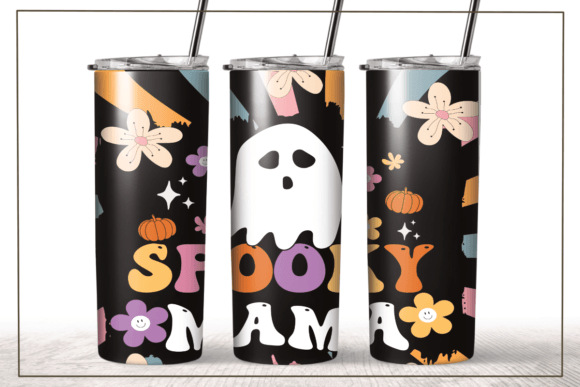
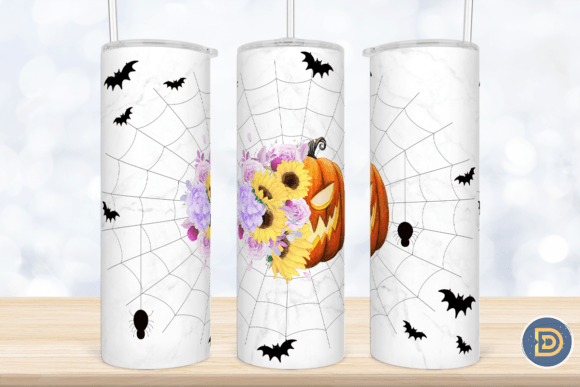
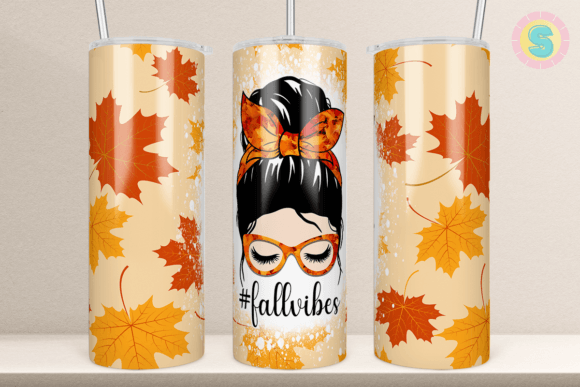
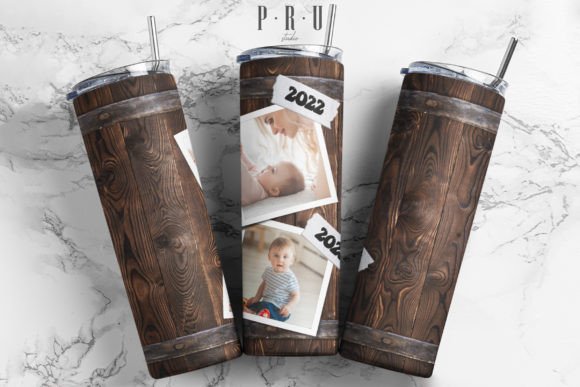
When I first opened the 20oz Skinny Tumbler Polaroid Tumbler Png, I was struck by its clean, graphic feel. The design captures that specific silhouette—the slender, tall cup—with a confidence that avoids being overly cute. It doesn’t scream; it suggests. The mood it creates is contemporary and a touch nostalgic, a perfect blend for today’s maker market. This isn’t a generic coffee mug graphic; it’s a recognizable icon that speaks to a particular lifestyle, which is a huge advantage for creating products with instant visual personality. The layout is straightforward, focusing on the shape itself, which means its power lies in its simplicity. It naturally belongs to projects for a younger, urban-minded customer or anyone looking for a clean, modern aesthetic.
Where This Design Thrives in Real Projects
In practical use, this embroidery file shines on items where that graphic silhouette can become a focal point. Imagine stitching this onto a minimalist canvas tote bag for a boutique. The clean lines would translate beautifully into satin stitch borders and a solid fill stitch for the tumbler body, creating a polished, high-value look. It’s equally compelling on the left chest of a relaxed-fit sweatshirt—a subtle but recognizable emblem for a coffee lover. For personalized gifts, this design offers fantastic flexibility. Stitched onto a neat tea towel or a linen apron, it becomes a charming kitchen accent. As a embroidered patch, applied to a denim jacket or backpack, it carries that independent, crafty vibe that resonates at craft fairs.
For baby embroidery, scaled down and stitched on a cotton romper or nursery pillow cover in soft, pastel threads, it transforms into a sweet, modern motif far from traditional baby prints. In my own work, I’ve found designs like this invaluable for creating cohesive small shop product lines. You could build a whole collection around it: the tumbler on a bag, a matching “coffee time” phrase on a cap, and so on. For Etsy sellers and digital product creators, this PNG serves as an excellent asset for creating printable mockups, allowing customers to visualize the finished product on an apparel item before committing to a custom order.
Considerations and Careful Application
While versatile, the 20oz Skinny Tumbler Polaroid Tumbler Png requires thoughtful execution. Its success hinges on clarity. On small hoop sizes, like for a child’s hat or a detailed corner of a pillow cover, the narrow shape could lose definition if the stitch density isn’t managed well. Textured fabrics like thick sweaters or loose-weave towels might blur its crisp edges. I’d be cautious using it on very thin fabric or stretchy fabric without a robust stabilizer, as the fill area could cause puckering.
The biggest practical test is on dark fabric. The design, as a PNG graphic, is presumably presented on a transparent background, but the visual impact depends entirely on thread color contrast. A light-colored tumbler stitch on a black sweatshirt will pop, but if the design incorporates internal details or a faint pattern within the tumbler shape, those might disappear without careful thread color selection. Stitching it on curved surfaces like caps requires even more attention to stabilizer and potential distortion of that tall, skinny shape.
How It Lifts Your Product’s Appeal
Using a well-defined, trendy design like this directly impacts customer trust and perceived value. It shows you’re sourcing contemporary design assets, which elevates your handmade presentation beyond basic stock motifs. It aids in brand consistency if you’re a maker focusing on modern, lifestyle-oriented goods. For giftability, it hits that sweet spot—it’s personal without being overly sentimental, making it excellent for wedding gifts for couples or housewarming presents. Its recognition factor—almost everyone knows this tumbler shape—creates immediate engagement and a point of connection for the buyer.
Practical Notes from the Embroidery Machine
Before running this file for a client project, my standard practice applies doubly here. Always test the design on scrap fabric first, using the exact material and weight of your final project. This allows you to review stitch density and inspect small details. Pay close attention to the top and bottom of the tumbler—are the corners sharp and clean in the stitch-out? Check thread color contrast thoroughly; I recommend testing it in black and white mockups on your software to see how the silhouette holds up devoid of color, and then physically compare light and dark fabric backgrounds.
Since the product description specifies it’s a digital file for a PNG, and mentions it’s for a 20oz skinny tumbler, it’s crucial to understand the intended use. However, the listing does not provide explicit details on machine embroidery design formats, exact hoop size requirements, or stitch count. Therefore, you must confirm these details before use. Ensure the file you receive is compatible with your machine and software. Most importantly, confirm licensing before selling finished items or incorporating it into your own commercial embroidery projects or digital products. The description states no physical item is sent, which is standard for Crafts and Graphics files, but the commercial rights are the cornerstone of a professional, legal business.
Final Thoughts: A Versatile Graphic for the Modern Maker
The 20oz Skinny Tumbler Polaroid Tumbler Png stands out as a practical, stylish asset. It avoids the clutter of overly complex designs, offering a shape that is both functional to stitch and impactful in the final product. It encourages you to think about thread color as a design choice, not just a technical step. In my real-world scenario—preparing a series of custom embroidered tote bags for a local coffee shop’s merchandise—this design would be a frontrunner. It’s directly relevant, easily recognizable, and when stitched with quality materials and technique, it tells a story of craftsmanship aligned with a contemporary object. It’s a reminder that in the world of embroidery projects, sometimes the simplest, most identifiable shapes carry the most weight and offer the greatest flexibility for your craft business.