A Designer's Review of the Maine State Vintage SVG Design
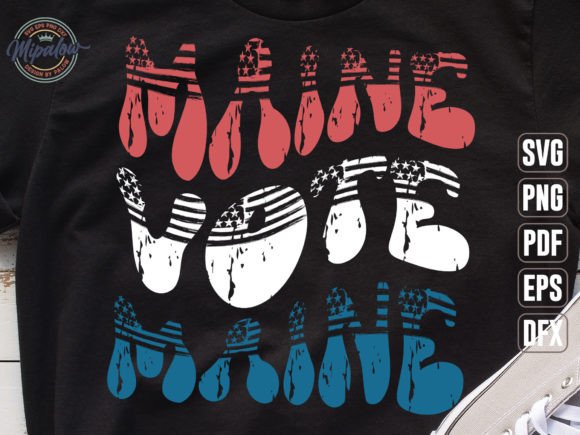
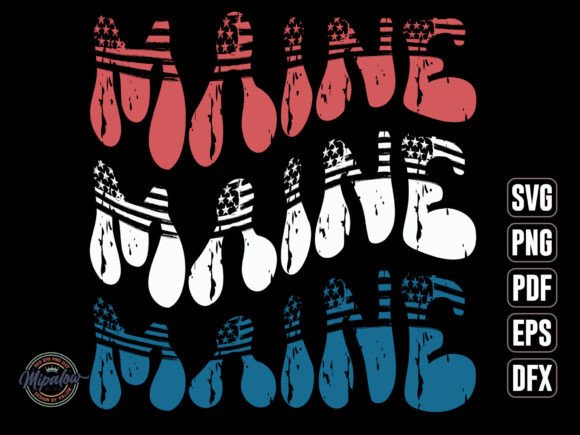
As an embroidery designer, my first reaction to a new file is always about its potential in a hoop. The Maine State Vintage SVG Sublimation design immediately feels like a classic. It’s not a loud, modern graphic; it carries a quieter, nostalgic personality. The layout and likely details suggest something you'd find on a well-loved souvenir or a rustic sign. This mood is its greatest asset—it evokes familiarity and comfort, which is perfect for projects meant as keepsakes or gifts.
Where This Design Finds Its Home
This isn’t a design for every project. Its vintage charm naturally aligns with certain items. I picture it on a sturdy canvas tote bag for a local boutique, or beautifully stitched onto a heavyweight sweatshirt. It would make a thoughtful, personalized gift as an embroidered pillow cover for someone with roots in Maine, or even as a decorative patch applied to a denim jacket. For a craft business, it could become a signature item: a series of embroidered kitchen towels or aprons with this design at the center, sold at a craft fair. The theme lends itself to products that tell a story or celebrate a place.
Considering the Stitched Reality
Moving from the digital file to the actual embroidery project requires some practical thinking. High-resolution files designed at 300dpi are a good starting point for clarity, but how will it stitch? The vintage style often implies some level of detail and text. On a real project, like a custom embroidered cap or a baby blanket, small lettering and intricate corners need careful attention. A dense fill stitch area could become stiff on a lightweight t-shirt, while a running stitch outline might lose definition on a textured fabric like a sweater. My advice is always to test on scrap fabric first. This lets you check stitch density, thread color contrast, and how small details translate with your specific machine embroidery design and stabilizer.
Navigating the Tricky Surfaces
Some applications require extra caution. Embroidering this onto a stretchy fabric for apparel, like a fitted t-shirt, demands the right stabilizer to prevent distortion. Dark fabric backgrounds will need a thoughtful thread palette to ensure the design pops and maintains its vintage warmth—it shouldn’t just look like a dark blob. Curved surfaces like caps can challenge the design's layout; a test hoop is essential to see if any elements get pinched. For products meant for frequent washing, like a tea towel, consider simplifying very dense areas to improve durability. The goal is to preserve the design's character while ensuring the finished product lasts.
The Impact on Your Craft Business
Using a design like this for your handmade products or small shop merchandise affects more than just aesthetics. A clean, well-executed embroidery file adds tangible value. When a customer sees a crisp, thoughtful satin stitch on a tote bag, it builds trust in your craftsmanship. For an Etsy seller, it enhances the professionalism of your listings and digital product previews. This particular design, with its giftable and recognizable theme, can increase buyer engagement—people connect with it emotionally. It helps with brand consistency if your shop focuses on rustic, personalized gifts or local pride items. However, always confirm the licensing terms for commercial embroidery before selling finished items. The product description states it includes files ready for your cutting machine, but the specifics for selling embroidered goods need to be clear.
Practical Notes Before You Hoop It
Here’s my checklist before committing this design to a real client project or holiday gift:
- Run a test on the actual fabric you plan to use, even if it’s just a small section.
- Evaluate thread choices against both light and dark fabric backgrounds. Sometimes a design needs slightly different colors for each.
- Check how the design scales to your intended hoop size. Too small, and details vanish; too large, it might overwhelm the item.
- Inspect the digital file closely for any tiny elements that might not stitch well and consider simplifying them if necessary.
- Use proper stabilizer for the fabric type—this is non-negotiable for preserving the design’s integrity.
- Think about the end use. For a decorative pillow, density is fine. For a wearable apparel item like a sweatshirt, balance is key.
- Create simple black and white mockups to see the pure shape and layout, stripping away the vintage color assumptions.
The Maine State Vintage SVG Sublimation design offers a strong foundation for a beautiful embroidery project. Its success hinges on treating it not just as a graphic, but as a blueprint for a physical, stitched object. With practical testing and thoughtful application, it can become a standout element in your custom apparel, embroidered patch, or boutique product line. It feels destined for items that are held, used, and cherished—which is, after all, the best outcome for any handmade product.