A Curated Review of Bubble Cup: The Graphics Asset for Illustrations & Brand Mood
First Impressions: Assessing Bubble Cup's Visual Tone
When you open the Bubble Cup vector file, the immediate impression is playful yet polished. This isn’t a generic clipart; it’s a graphic design asset with a distinct personality. The smooth, rounded forms and fluid lines create a lighthearted, approachable mood. It feels modern, but with a touch of whimsy—a style that naturally fits brands aiming for friendly, creative, or slightly nostalgic communication. I instinctively started thinking about clients in the handmade business space, boutique product lines, or seasonal campaigns for local cafes, children’s events, or creative marketplaces like Etsy shops. For a designer working on a visual concept for an online product launch, this asset could instantly set a warm, engaging tone.
Practical Performance in Real Client Projects
So, how does Bubble Cup actually perform when you bring it into a real design situation? For logo design or brand identity elements, its strength lies in supporting a main logo mark or serving as a secondary brand illustration. It could be excellent for a coffee subscription service or a bakery’s packaging design details, adding a custom touch without overpowering the core logo. In marketing visuals like posters, flyers, or invitations for a summer festival or craft fair, it becomes a ready-made hero graphic or decorative accent that elevates the layout from plain to purposefully designed.
Where Bubble Cup Works Best
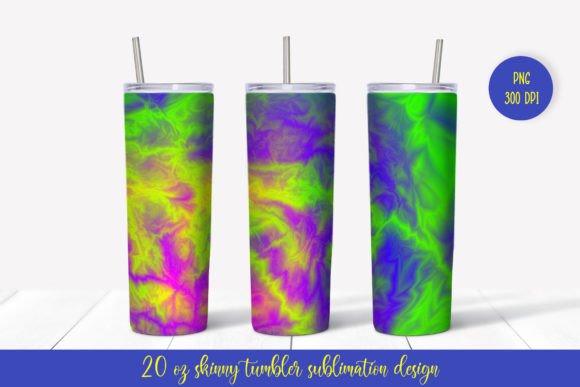
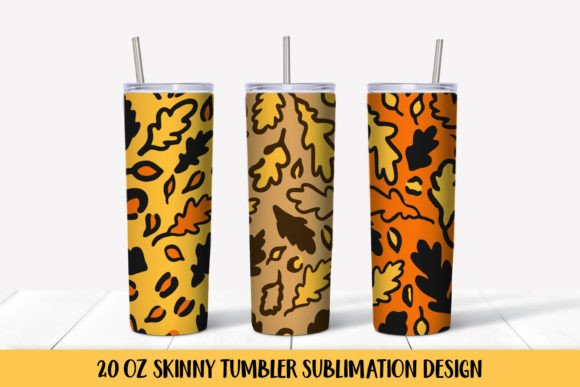
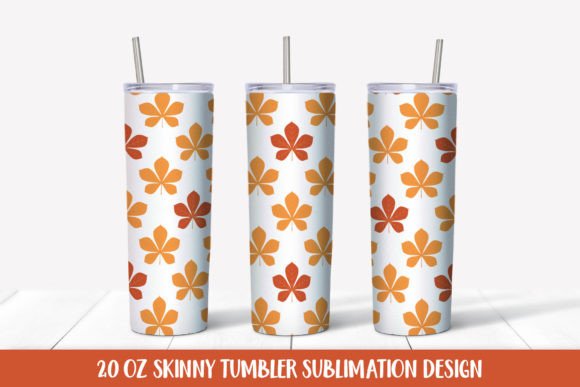
The vector nature means it excels in large layout areas. Imagine it as a central illustration on a tote bag or mug for merchandise, or scaled up as a bold background element in website graphics or Pinterest pins. Its clean lines make it perfect for product mockups, printable wall art, or as a repeating pattern in themed collections for a brand’s campaign visuals. For digital sellers and print-on-demand sellers, this is a sublimation design dream—easy to edit, color-match, and resize for various products without losing quality. In social media graphics or Canva templates, it provides instant professionalism and visual appeal, helping a small business branding effort feel cohesive and intentional.
Points of Caution for Professional Use
However, a designer must use it carefully in certain contexts. At very small sizes, some of the finer bubble details might get lost, making it less ideal as a tiny icon in crowded layouts or complex backgrounds. For projects demanding a stark minimalist branding or very clean visual hierarchy—like a professional corporate financial report—the playful style might feel incongruous. On low-contrast designs, the asset’s impact diminishes; it needs a clear backdrop to shine. Always test it in black and white to ensure its form holds up, and check contrast on both light and dark backgrounds before committing.
The Impact on Brand Perception and Audience Engagement
Integrating Bubble Cup into a project isn’t just about adding a picture; it’s about shaping perception. This kind of illustration directly affects visual trust and emotional appeal. For a handmade brand or a small business, it can make the overall design feel more crafted and less templated, boosting audience engagement. It supports brand consistency by providing a unique, reusable element across packaging design, stickers, and digital ads. But it’s crucial to maintain readability and hierarchy—never let decorative assets overwhelm essential text. Pair it with a clean sans serif font for balance, or a playful script font to amplify the mood, but avoid competing display fonts that clash.
Essential Designer Checks Before Commercial Use
Before sending a design to a client or uploading it as an Etsy product, practical checks are mandatory. First, preview Bubble Cup at both thumbnail size and full bleed to ensure clarity. Place it on real mockups—a t-shirt design template, a product label, a blog visual—to see it in context. If the bundle includes PNG files, inspect the transparency edges. For Cricut projects or sticker design, confirm the vector paths are clean and closed for cutting. Crucially, always verify the commercial license. Using it for a client’s commercial design assets or your own print-on-demand store requires clear, legal permission. Finally, test a small print to check color fidelity and edge quality. A true professional asset like Bubble Cup should pass all these tests seamlessly, becoming a reliable part of your creative design toolkit.
Final Judgment: A Versatile Asset for Specific Moods
In conclusion, Bubble Cup is a valuable digital product for designers, brand owners, and content creators targeting projects that benefit from warmth and creativity. It won’t suit every client—a law firm’s editorial design likely won’t need it—but for the right project, it’s a shortcut to polished, engaging visuals. It improves the visual mood, adds a layer of custom illustration, and helps the final result feel thoughtfully assembled. For anyone working in the realm of modern design that leans towards approachable, human-centered branding, this graphics asset is worth having in your library, ready to elevate your next real client project.